PRCS Health Teams Respond to Malaria Outbreak in Flood-Affected Districts of Sindh
PRCS Malaria outbreak response in Sindh
In the aftermath of the 2022 monsoon rains and devastating floods in Sindh, the health crisis escalated rapidly, leaving millions vulnerable to water-borne diseases. Nearly 33 million people across Pakistan were affected, with Sindh being one of the hardest-hit provinces.
The disaster damaged or destroyed more than 520 health facilities in Sindh, leaving communities without access to essential healthcare. Among the worst-affected areas was District Dadu, where health infrastructure was completely decimated, increasing the risks of disease outbreaks.
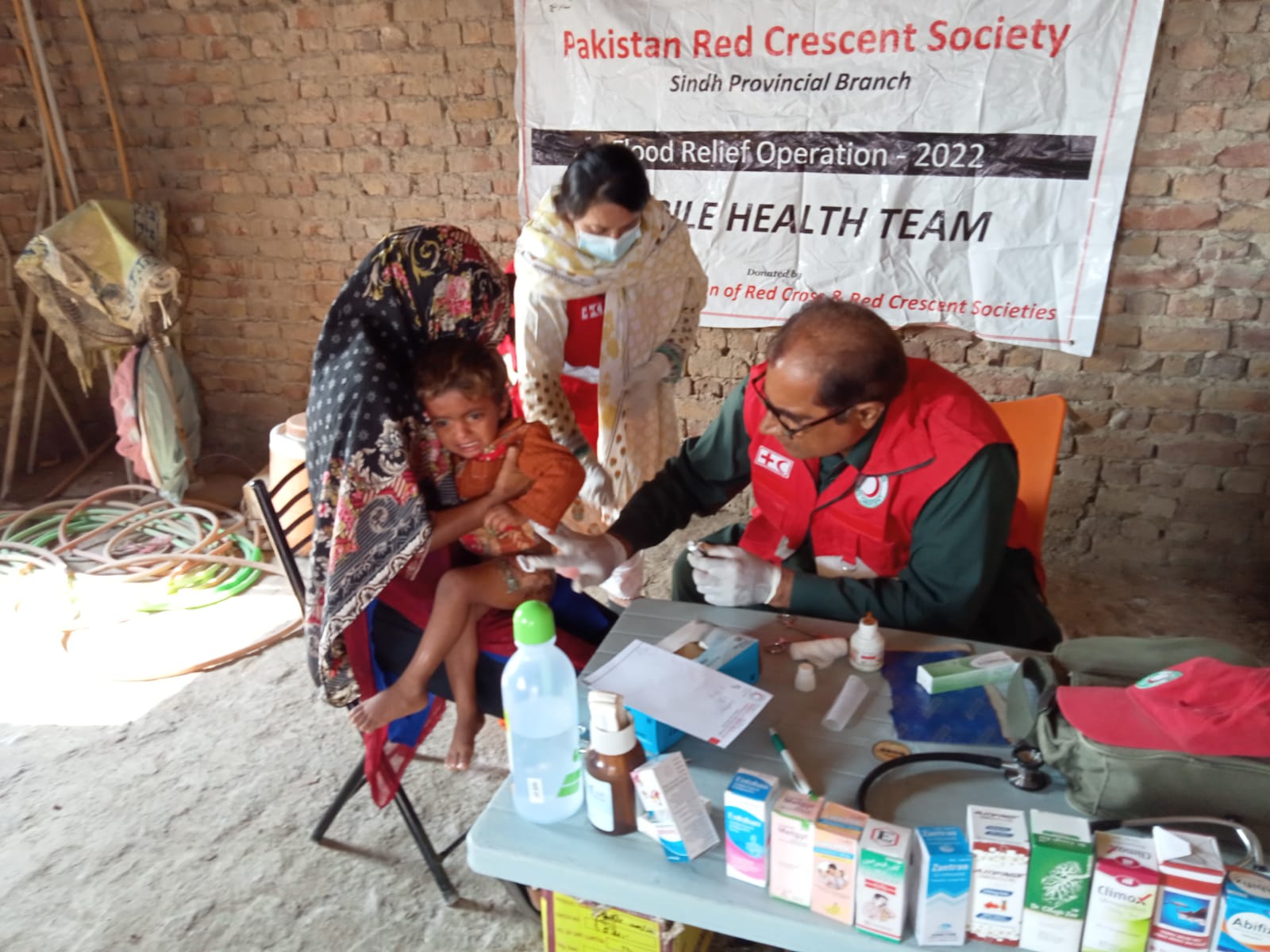
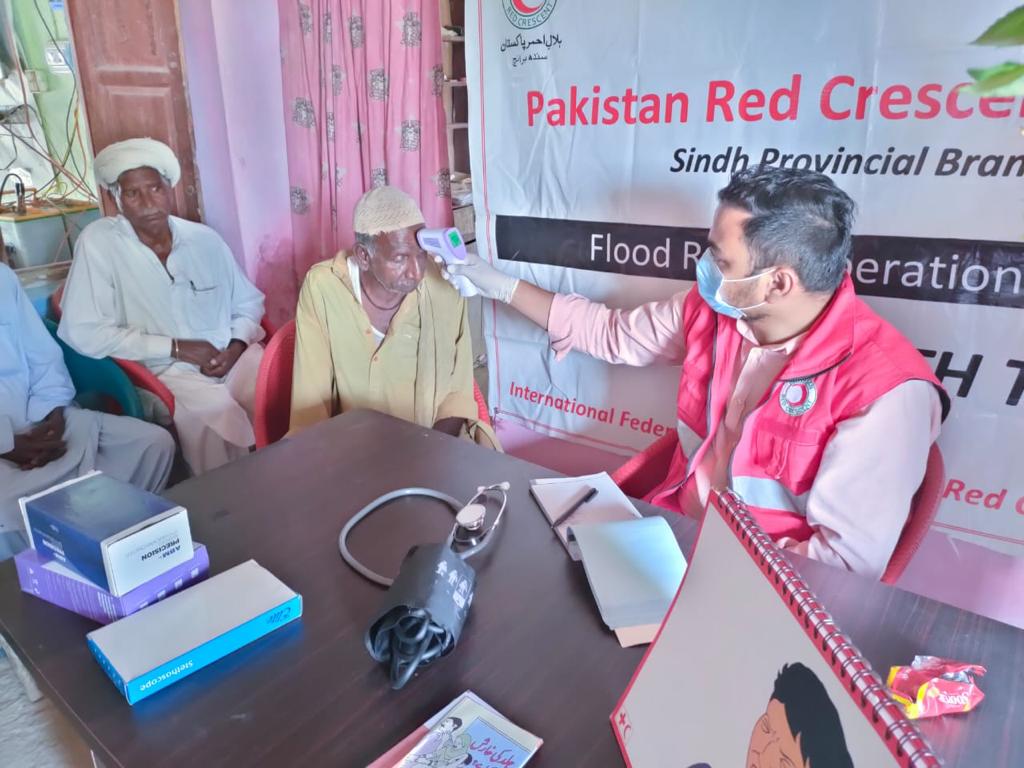
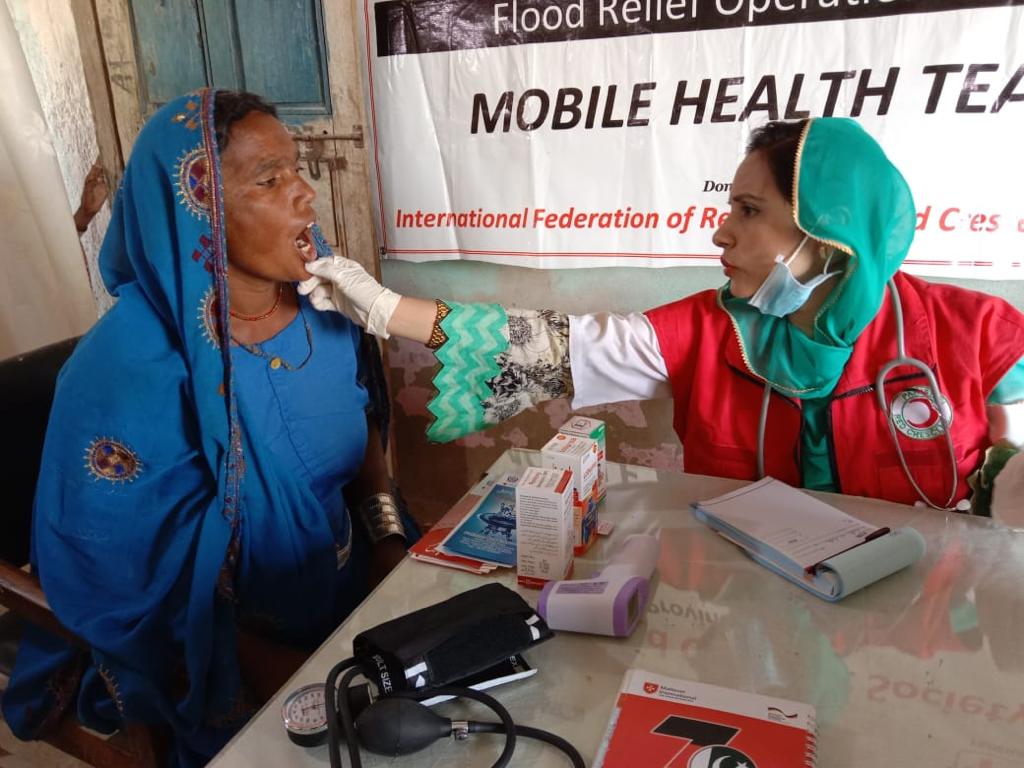
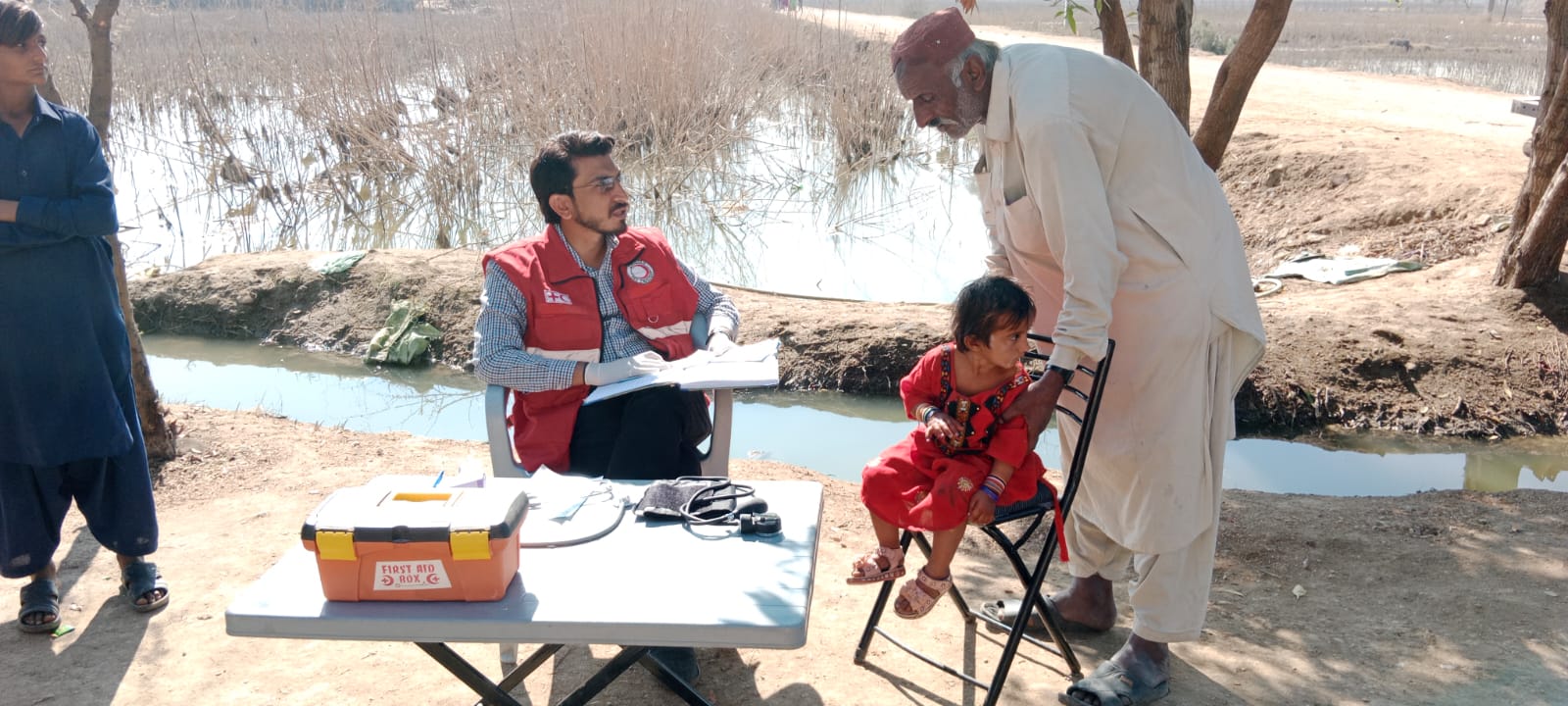
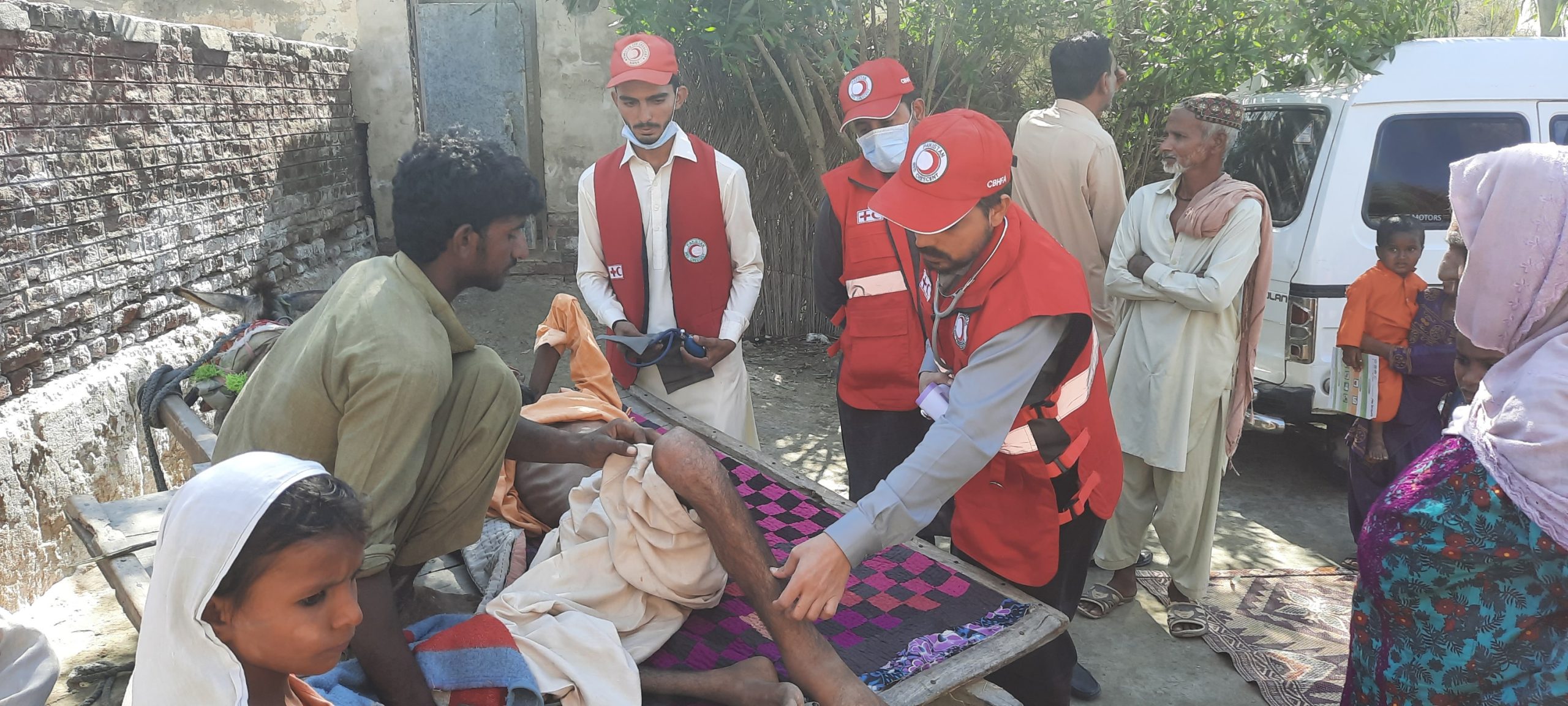
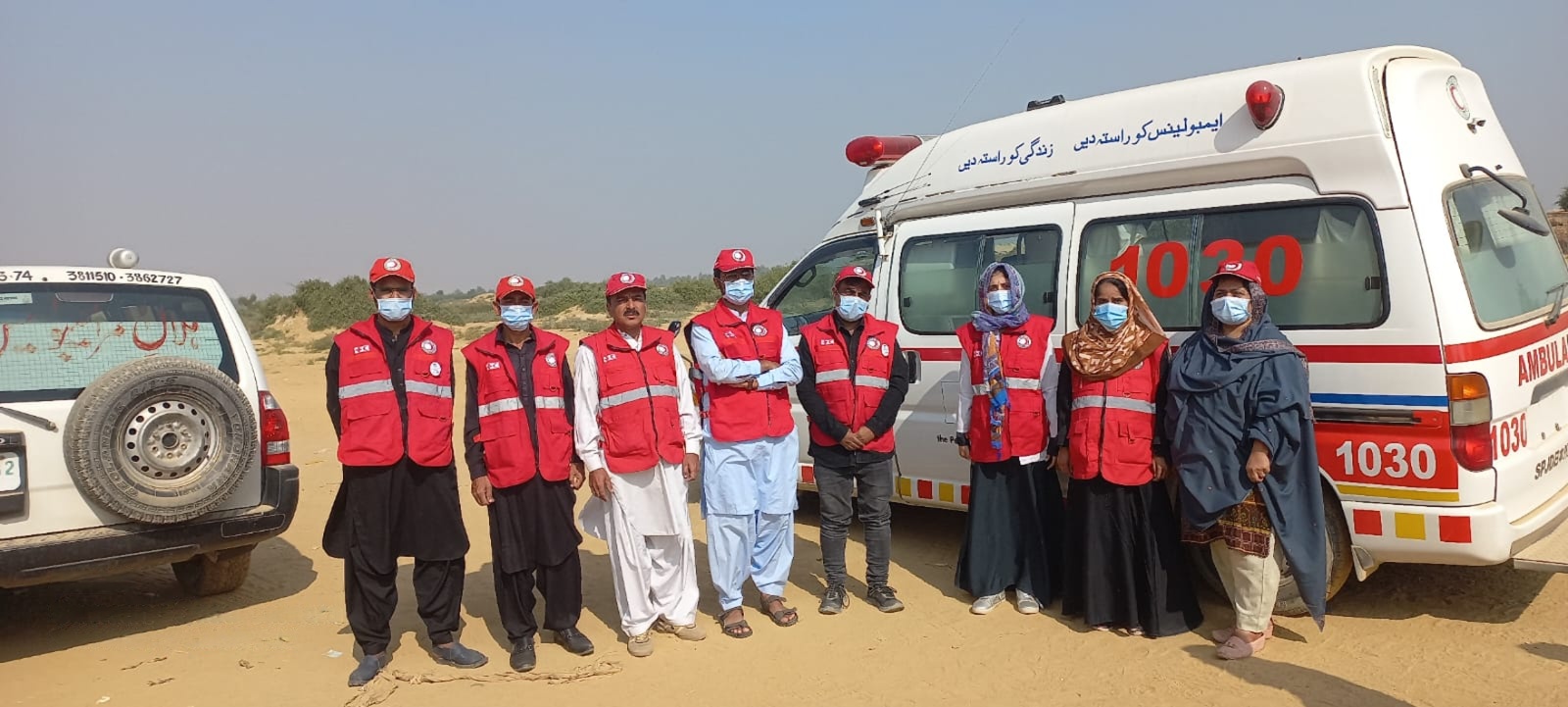
As the World Health Organization (WHO) warned about the potential of a “second disaster” due to water-borne illnesses, a severe malaria outbreak emerged in Village Bakhar Jamali, Taluka Johi, District Dadu. Responding to this urgent need, the Pakistan Red Crescent Society (PRCS) swiftly deployed its Medical Health Teams (MHTs) to provide emergency medical assistance.
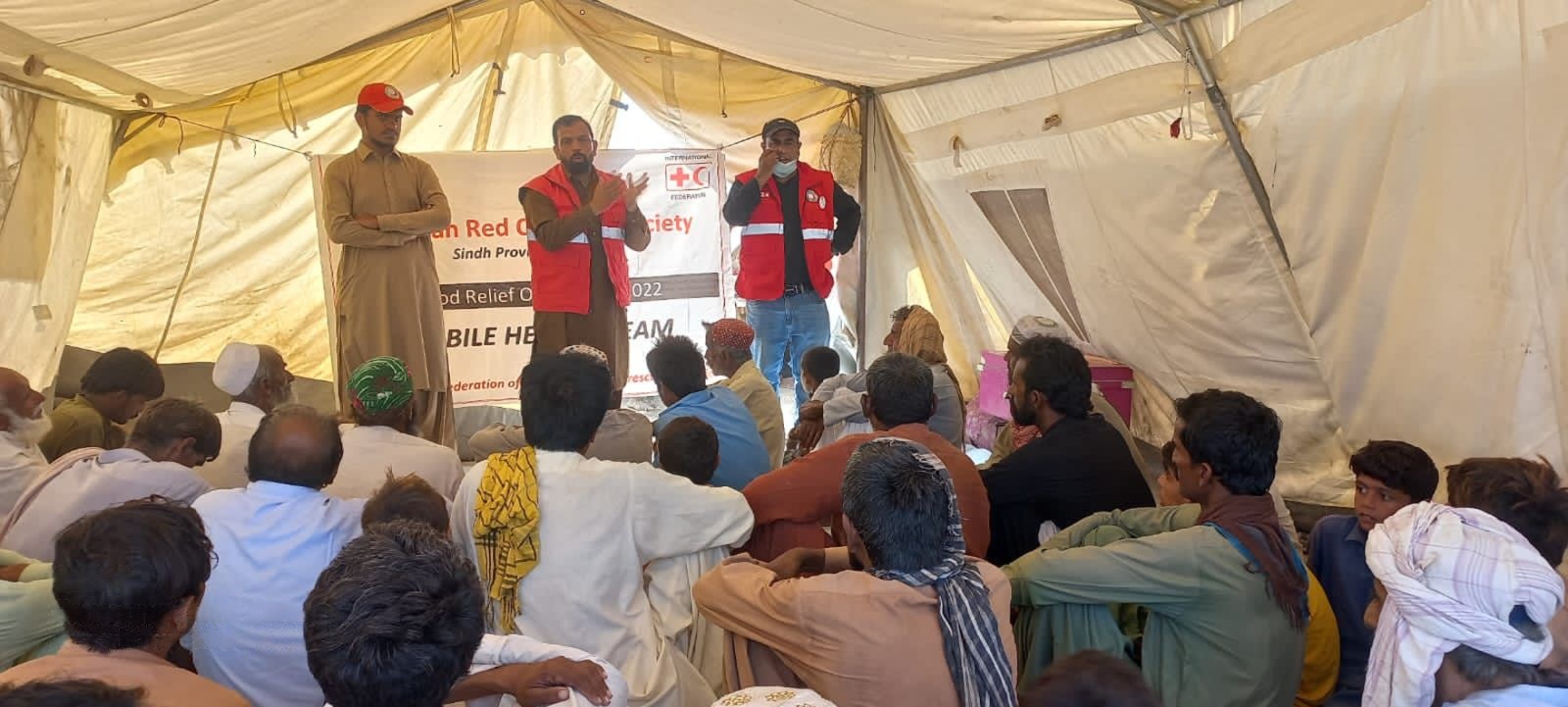
The PRCS medical teams treated more than 750 malaria patients in the affected village, offering free medicines and essential healthcare services. In addition to medical treatment, PRCS also focused on prevention and awareness, as over 1,000 local residents attended hygiene promotion sessions. These sessions educated communities on safe hygiene practices, disease prevention measures, and ways to protect their families from malaria and other infectious diseases.
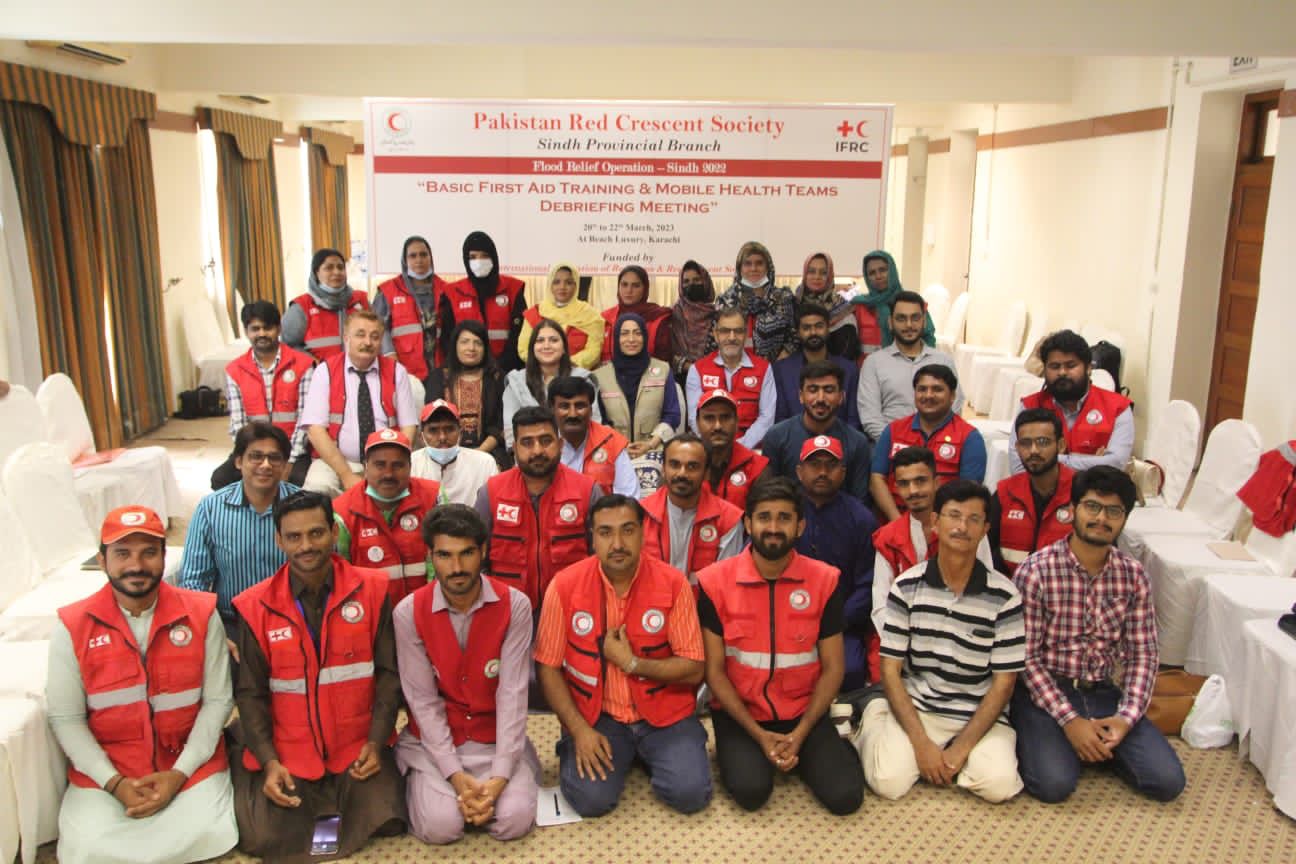
The swift and coordinated response by PRCS health teams highlights the importance of community-based healthcare interventions in disaster-affected regions. By providing immediate medical relief and raising awareness, PRCS not only addressed the urgent health needs of flood-affected people but also contributed to strengthening their resilience against future disease outbreaks.
The PRCS malaria outbreak response in Sindh stands as a critical example of how timely interventions can save lives, restore health services, and empower vulnerable communities during emergencies.